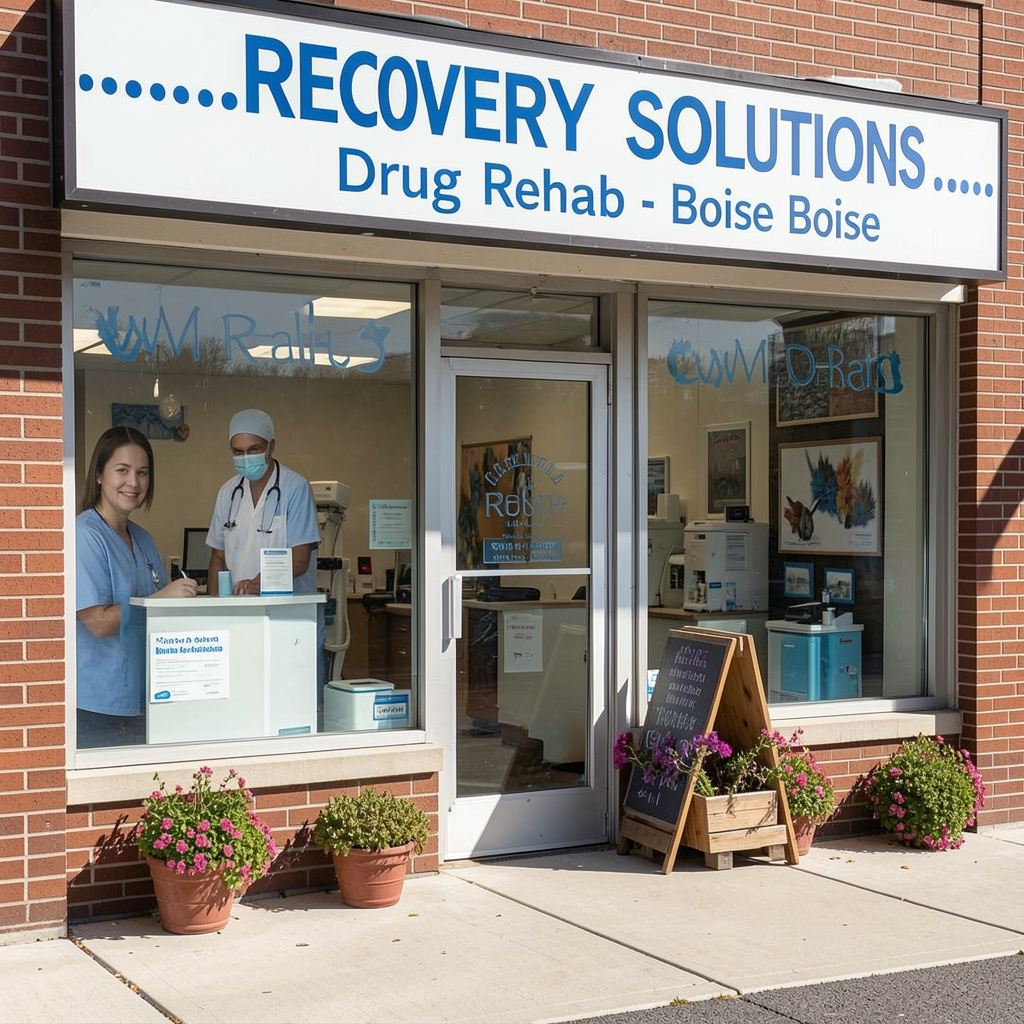
Embarking on the journey of addiction recovery is a courageous step, and understanding what to expect during medical detox can help ease some of the anxiety that often accompanies this process. In Idaho, medical detox offers a safe and supportive environment for individuals to begin their recovery from substance use, ensuring that they receive the proper care as they navigate withdrawal symptoms. This guide will provide you with a comprehensive overview of medical detox, including its benefits, what to expect, and how to find accredited centers in Idaho.
The Difference Between Medical and Home Detox
Choosing between medical detox and home detox is a crucial decision that can significantly impact the recovery process. Here are the key differences:
- Désintoxication médicale : This involves supervised care in a healthcare facility, where medical professionals monitor withdrawal symptoms and administer medications as needed. This option is ideal for individuals with severe addictions or those at risk for complications.
- Détox à domicile : This is an unsupervised process that takes place at home, often without medical assistance. While some individuals may prefer this for its comfort and privacy, it can be risky, particularly for those with a history of severe withdrawal symptoms.
Calendrier de retrait
The withdrawal timeline can vary based on the substance abused, the duration of use, and individual health factors. Below are typical withdrawal timelines for alcohol, opioids, and benzodiazepines:
Alcohol Withdrawal
- Days 1-2: Symptoms may begin within 6-24 hours after the last drink, including anxiety, tremors, and sweating.
- Days 3-5: Symptoms peak and may include hallucinations or seizures, known as delirium tremens (DTs).
- Days 6-7: Symptoms begin to subside, but anxiety and mood swings may persist.
Opioid Withdrawal
- Days 1-3: Early symptoms include muscle aches, insomnia, and anxiety.
- Days 4-7: Symptoms peak, and cravings can intensify, along with gastrointestinal issues.
- Days 8-10: Withdrawal symptoms gradually decrease but may last for weeks in some cases.
Benzodiazepine Withdrawal
- Days 1-2: Symptoms may start within 1-4 days, including anxiety, insomnia, and irritability.
- Days 3-7: Withdrawal symptoms can worsen, with potential seizures in severe cases.
- Days 8-14: Symptoms may persist, including cognitive difficulties and mood swings.
Médicaments utilisés pendant la désintoxication
During medical detox, various medications may be administered to alleviate withdrawal symptoms and reduce cravings. Common medications include:
- Alcohol: Benzodiazepines (e.g., lorazepam) to manage anxiety and prevent seizures.
- Opioids: Methadone or buprenorphine for opioid withdrawal management, along with clonidine for additional symptom relief.
- Benzodiazépines : Tapering schedules using longer-acting benzodiazepines can help manage withdrawal symptoms safely.
Une journée type en cure de désintoxication
A typical day in a medical detox facility may include:
- Morning check-ins with medical staff to assess health and withdrawal symptoms.
- Medication administration based on individual needs and withdrawal severity.
- Group therapy sessions to foster peer support and share experiences.
- Individual counseling to address underlying issues related to addiction.
- Structured activities like mindfulness, exercise, or art therapy to promote mental well-being.
Preparing Yourself or a Loved One
Preparation for detox can enhance the experience and support successful recovery. Here are some tips:
- Informez-vous : Learn about the detox process, potential withdrawal symptoms, and available treatments.
- Rassemblez du soutien : Arrange for supportive friends or family members to assist during the transition.
- Planifier la logistique : Ensure transportation to the detox center and prepare for any necessary time off work or responsibilities.
- Be Open and Honest: Encourage your loved one to express their fears and expectations about detox.
Quand la désintoxication est médicalement nécessaire vs. optionnelle
Understanding when detox is medically necessary versus optional can be vital for safety:
- Médicalement nécessaire : Detox is essential for individuals with a history of severe withdrawal symptoms, multiple substance use, or co-occurring mental health disorders.
- Facultatif: For those with mild dependencies and fewer withdrawal risks, outpatient detox may be considered, but it should still be conducted under medical supervision.
What Happens After Detox
After completing detox, individuals typically transition into a treatment program, which may include:
- Réadaptation en milieu hospitalier : A structured environment focusing on therapy and support.
- Programmes ambulatoires : Flexible options allowing individuals to continue their recovery while living at home.
- Groupes de soutien : Engaging in groups such as Alcoholics Anonymous (AA) or Narcotics Anonymous (NA) for ongoing support.
Finding Accredited Detox Centers in Idaho
When searching for accredited detox centers in Idaho, consider the following resources:
- Visit the Substance Abuse and Mental Health Services Administration (SAMHSA) website for a directory of treatment facilities.
- Contact local hospitals or community health organizations for recommendations.
- Consult with a healthcare provider for personalized referrals based on individual needs.
Understanding the detox process can empower you or your loved one to approach recovery with more confidence. Remember, seeking help is a sign of strength, and medical detox is a crucial first step towards a healthier, sober life.
More Recovery Resources in Idaho
Sober Network is a directory, not an intake form. Explore local facilities and contact providers directly.